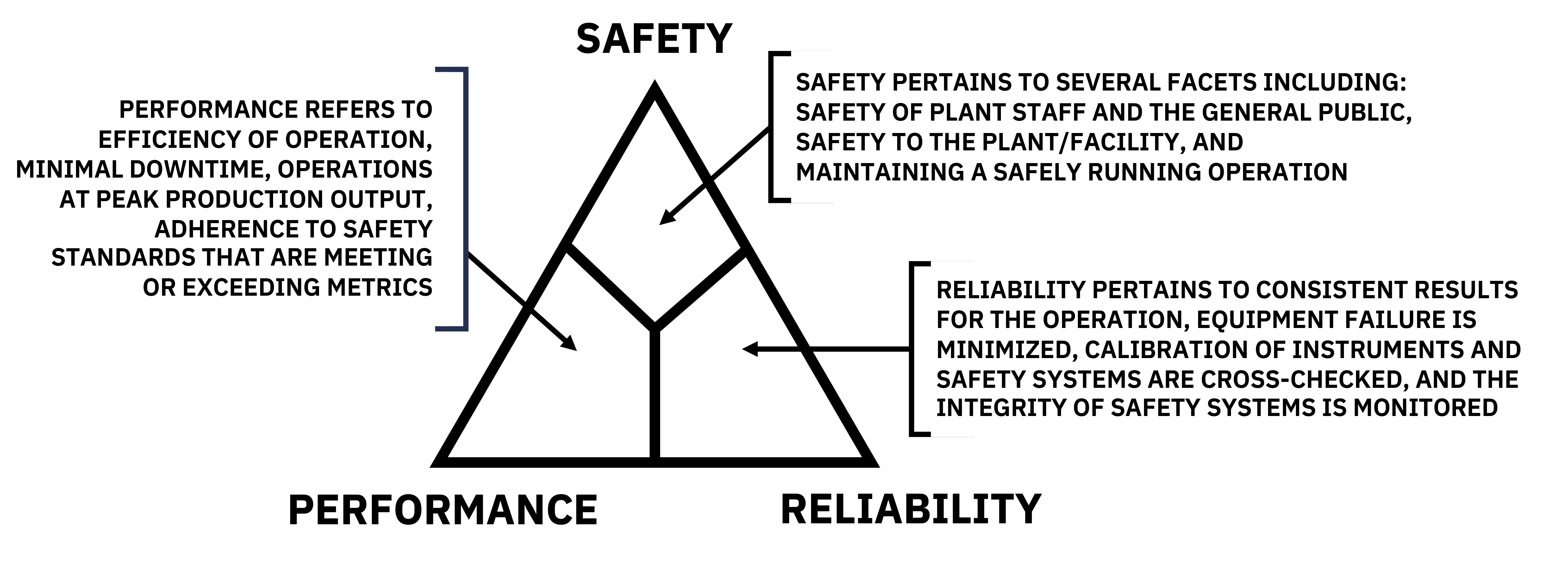
Introducing the SRP Model

Safety in control systems...always
Many individuals believe that the role of information is paramount in ensuring the integrity and security of data within control systems, often prioritizing it over the physical aspects of operation and protection. This perspective suggests that the traditional "CIA Triad," which encompasses confidentiality, integrity, and availability, should be expanded to include safety as a critical component of the information security framework. Proponents of this view argue that integrating safety into the model not only enhances the overall security posture but also addresses the complexities and risks associated with modern technological environments, where the interplay between data and physical systems is increasingly significant. By recognizing safety as an essential element, organizations can better safeguard against potential threats that could compromise both data integrity and the safe functioning of physical operations.
The availability of information processed by a control system is paramount; without it, there is no data to analyze or act upon, making its accessibility essential for effective operational management. Following availability, data integrity is crucial, as any corruption in the information would hinder the system's ability to function properly. Lastly, confidentiality plays a vital role in safeguarding sensitive information from unauthorized access, ensuring that the data remains secure. Collectively, these elements form what many consider the standard security framework for control systems.
However, we hold a differing perspective on this matter.
Safety is paramount in process control systems, as it serves as the foundation upon which all operational efficiency and reliability are built. In industries where complex processes are managed, the potential for hazards—ranging from equipment failure to human error—can have catastrophic consequences, not only for the workforce but also for the environment and the surrounding community. Implementing robust safety measures ensures that systems can operate within defined parameters, minimizing risks and preventing accidents. Moreover, a strong safety culture fosters trust among employees, stakeholders, and regulatory bodies, which is essential for maintaining a positive reputation and ensuring compliance with industry standards. Ultimately, prioritizing safety in process control systems not only protects lives and assets but also enhances overall productivity and sustainability, making it an indispensable aspect of modern industrial operations.
The integration of safety, reliability, and performance is crucial in any operational framework, as these elements are interdependent and collectively contribute to the overall effectiveness of a system. Strong ties among these factors ensure that safety protocols are not only established but also adhered to, thereby minimizing risks and enhancing the trust of stakeholders. Reliability serves as the backbone of performance; without dependable systems and processes, achieving optimal performance becomes a challenge. When safety measures are seamlessly integrated with reliable operations, organizations can maintain high performance levels while safeguarding their personnel, assets, and reputation. This holistic approach fosters a culture of continuous improvement, where feedback loops allow for the refinement of practices, ultimately leading to enhanced operational efficiency and a competitive edge in the market.
Operational security
To ensure the effective operation of a plant, it is essential to develop a new model that clearly delineates the critical areas of security. In this context, security refers to the adherence to specified, designed, and configured operational parameters, ensuring that the plant functions precisely as intended without deviation. This encompasses the necessity for processes to operate safely, thereby preventing any incidents that could result in loss of life, injury, or damage to the final product. This concept is referred to as "operational security," which emphasizes the importance of maintaining strict control over operational integrity to safeguard both personnel and assets.
Operational security in process control systems is crucial for ensuring safety, reliability, and performance, which are paramount in industrial environments. Safety is the foremost concern, as any failure in process control can lead to hazardous situations, including accidents or environmental damage. Implementing robust safety protocols, such as regular risk assessments and safety audits, helps identify potential vulnerabilities and mitigate risks before they escalate. Reliability is equally important; systems must be designed to operate consistently under varying conditions, which requires thorough testing and maintenance schedules to prevent unexpected downtimes. Performance optimization is also essential, as efficient process control systems can significantly enhance productivity and reduce operational costs. This involves continuous monitoring and fine-tuning of system parameters to ensure that they operate at peak efficiency while adhering to safety standards. By focusing on these aspects of operational security, organizations can create a resilient framework that not only protects personnel and assets but also supports sustainable operational excellence.
Introducing the “SRP Triad”
This framework model, although still emerging within the SCADA/ICS cybersecurity sector, embodies the foundational principles that engineers have historically adhered to when specifying, designing, and implementing operational systems. Emphasizing the critical elements of safety, reliability, and performance offers a more holistic approach to the management of process control systems. These three factors are essential not only for ensuring the integrity and functionality of the systems but also for fostering a secure operational environment. As the industry evolves, integrating these principles into cybersecurity practices will be vital for enhancing the resilience and effectiveness of SCADA and ICS infrastructures.
- Safety - Safety pertains to the measures and protocols in place to prevent accidents and ensure the well-being of personnel and equipment.
- Reliability - Reliability refers to the system's ability to consistently perform its intended function without failure over time, which is essential for maintaining operational efficiency.
- Performance - Performance encompasses the effectiveness and responsiveness of the system in achieving desired outcomes under varying conditions.
Safety comes first. Always.
Breakdown of each factor
To enhance comprehension and retention, we have meticulously defined each of the key factors associated with process control systems: safety, reliability, and performance. Breaking down these concepts into clear and concise definitions simplifies the complexities often associated with these critical elements.
This structured approach not only aids in understanding but also facilitates easier recall of these fundamental aspects in practical applications.